AI math grading for K–12 teachers
Spend less time grading math. Give every student better feedback.The AI Math Grader for Handwritten Student Work
Upload photos of handwritten assignments. MathSense grades each step with partial credit against your point values and drafts personalized feedback — and you review every grade before it reaches your students.
- First assignment free — up to 5 papers, no credit card
- FERPA compliant, encrypted student data
- You review and approve every grade
Before and after
A real test, and the grading you get back
Fifteen calculus questions, graded in our own account. Every question is scored against its points with partial credit, each one shows the work and what went wrong, and nothing reaches the student until you approve it.
Demonstration of the review screen for one real graded test; the buttons inside it are not interactive.
Before — what you upload
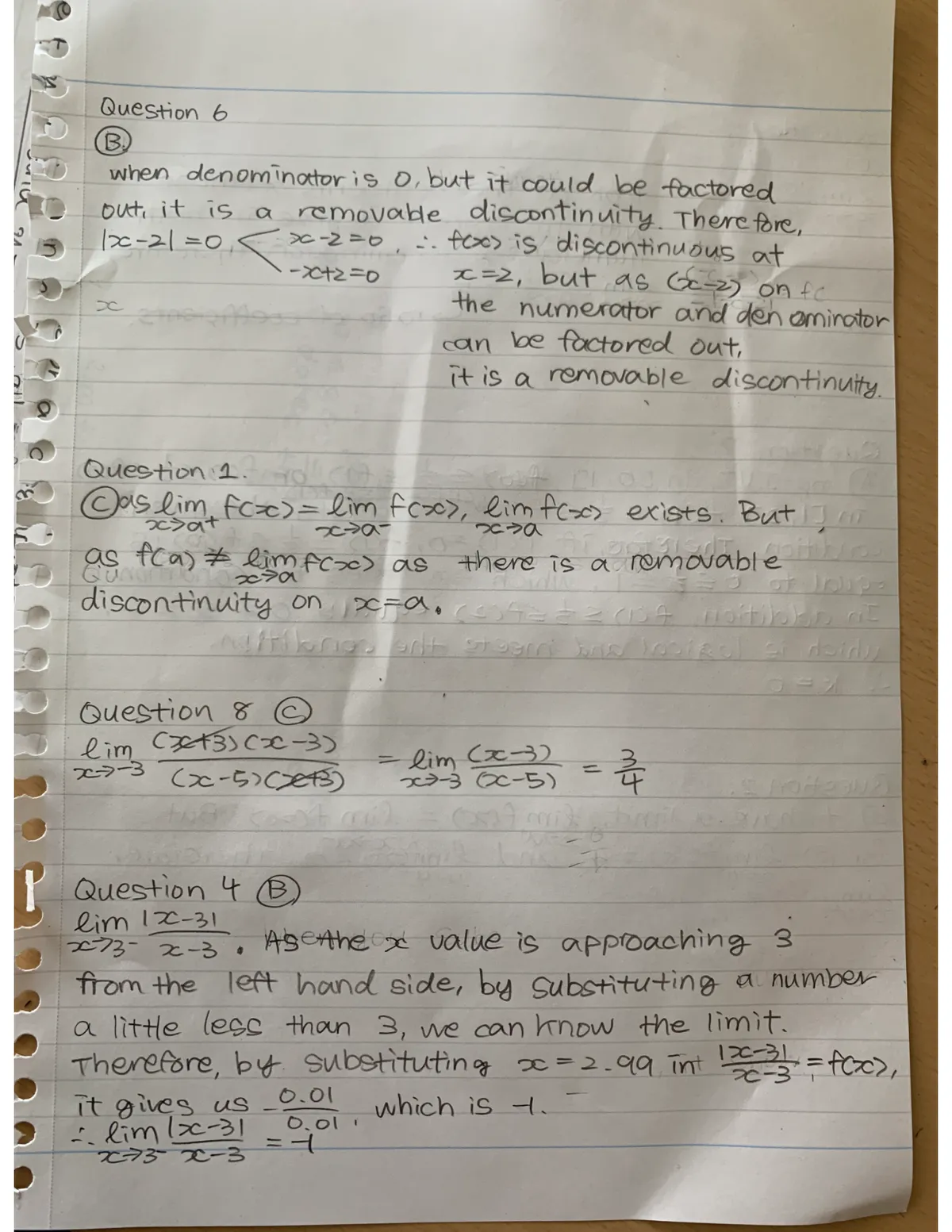
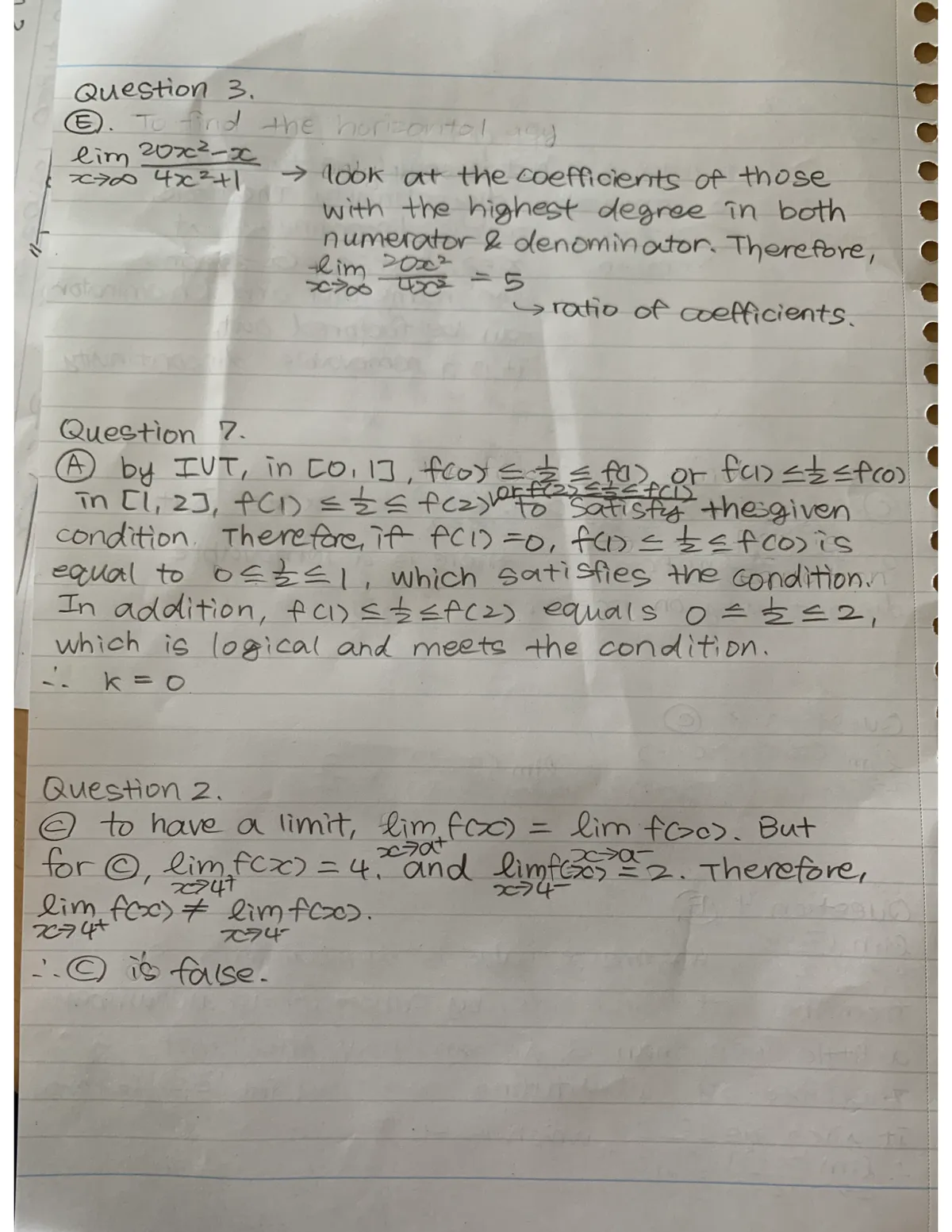
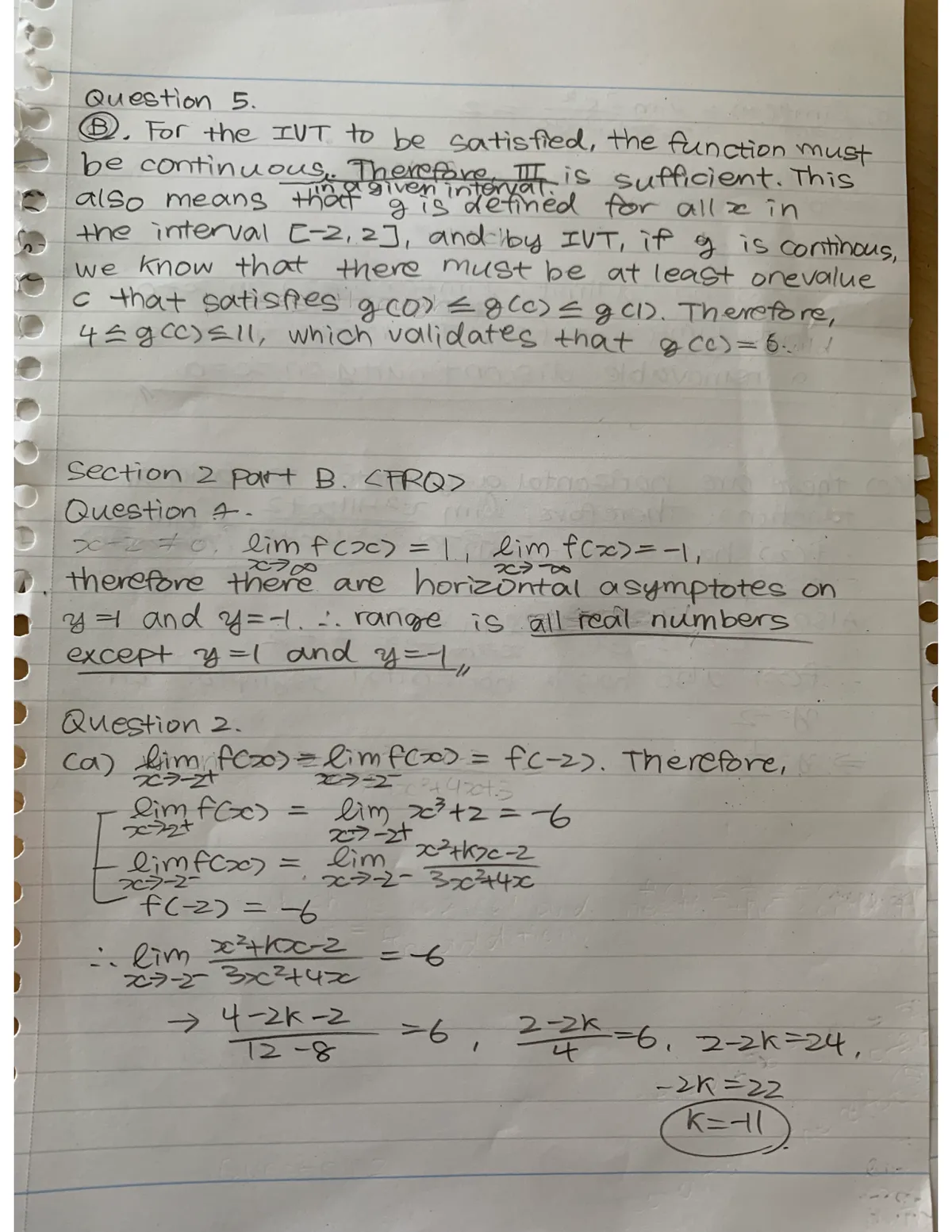
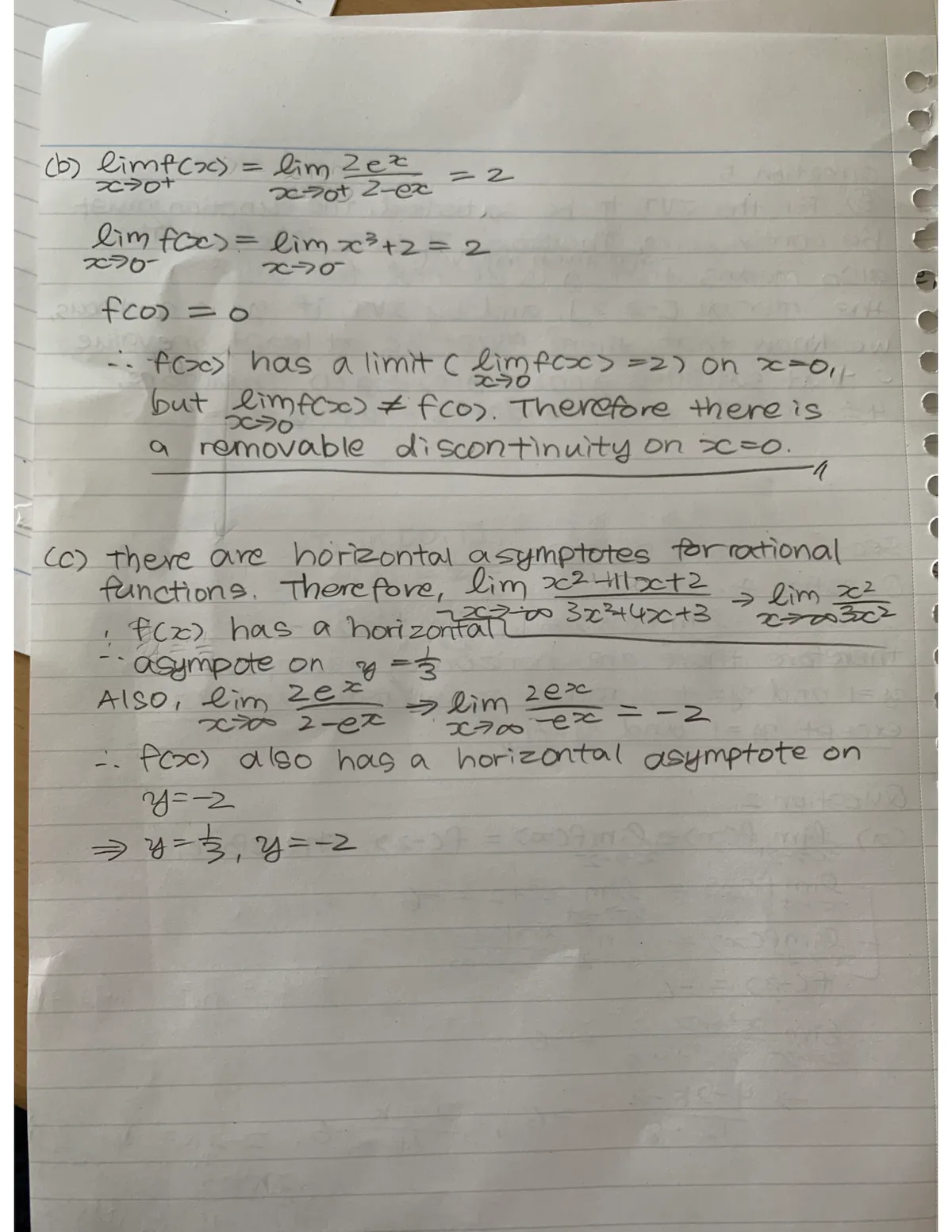
After — the review screen you get back
Questions & Student Work
15 QuestionsA real test graded in our own account, student name removed. Your rubric decides the points.
Does grading take time away from teaching?
If you teach math, these probably sound familiar.
Your evenings go to the stack.
Upload photos or scans of the class set. Each paper comes back with grades and feedback drafted for your review, not marked from scratch.
A slip and a misunderstanding both look “wrong”.
Each answer is scored against its point value with partial credit, so a correct method with one slip earns part of the marks — and the slip is named.
Students need more than a number.
Feedback is drafted for every student, pointing to what they did well and the step where the reasoning broke. You edit anything before it goes out.
You stay in control of every grade. Try it on your next assignment — the first one is free.
How It Works
Grade handwritten math in three steps
No answer keys to type up, no bubble sheets, no changing how your students show their work. MathSense AI grades the same paper assignments you already give — and keeps you in charge of the result.
1.Upload student work
Snap photos or scan your students’ handwritten math assignments and upload them in one batch. No retyping, no special hardware.
2.AI grades every step
The AI reads each student’s handwriting, evaluates their problem-solving steps against your rubric, and drafts grades with personalized feedback.
3.You review and approve
Check the suggested grades in the review interface, adjust anything you disagree with, and share feedback students can actually learn from.
Grading the work, not just the answer
Most auto-grading tools check a final answer. That works for multiple choice — and fails for real math, where a student can reason correctly for five steps and slip on arithmetic in the sixth. Marking that student simply “wrong” hides what they actually know.
MathSense AI reads the whole solution. It recognizes handwritten mathematical notation, follows the problem-solving steps, and evaluates each one against your rubric and point values — so partial credit lands where the reasoning earns it, and feedback points at the exact step where things went off track.
The result is grading that reflects how math teachers actually mark: method and understanding first, with every AI suggestion passing through your review before students see it.
The same work, graded two ways
Illustrative example — simulated student work.
Question (5 points): Solve 2(x + 3) = 5x − 9.
Student work
2x + 6 = 5x − 9
6 + 9 = 5x − 2x
15 = 3x
x = 3
Final answer only
0 of 5 points
The answer should be x = 5. Marked wrong — and the student doesn’t learn which step to fix.
Step by step, with MathSense AI
4 of 5 points
Judged 8/10 → 4 of 5 points
Drafted feedback: You expanded the brackets and collected the x terms correctly — 15 = 3x is right. In the last step, 15 ÷ 3 is 5, so x = 5. Your method is sound; check the final division.
Everything math grading software should do
MathSense AI covers the whole feedback loop — grading handwritten work, understanding what it reveals, and acting on it.
Feedback students understand
Every student gets personalized feedback on their own working — what they did well, where the reasoning broke down, and what to try next. Not a red X, an explanation.
Learning gaps, spotted early
Grading a class surfaces class-wide trends: recurring mistakes, concepts that need reteaching, and individual students who are quietly falling behind.
Your rubrics, your standards
Build customizable rubrics with your own criteria and point values, or generate one to refine. The AI grades against your standards — not a generic answer key.
More than grading
Turn what grading reveals into action: generate structured lesson plans and recommend targeted practice that matches what each student actually needs.
Hours back, every week
Teachers using MathSense AI reduce grading time by up to 80%. A stack of papers that used to take an evening comes back graded in minutes, ready for your review.
Safe for students
FERPA compliant with enterprise-grade encryption in transit and at rest. Student data is never shared with third parties — and never used without your control.
Want the full tour? See everything MathSense AI does, explore the AI lesson plan generator, or read the blog.
Comparing tools? MathSense AI vs MagicSchool · MathSense AI vs Brisk Teaching · MathSense AI vs Gradescope · MathSense AI vs Khanmigo · MathSense AI vs Photomath · MathSense AI vs DeltaMath · MathSense AI vs IXL · MathSense AI vs Edulastic (Pear Assessment)
Simple pricing for teachers and schools
Grade your first assignment free. Upgrade when grading is every week, not once — every paid plan includes a 7-day free trial.
This page is your AI Grading billing. Looking for MathSense Tutor plans or billing? Open the Tutor plans page.
Starter Pack
(no monthly charge, upgrade anytime)
Try it on your own papers first.
Perfect for trying out the platform
- First assignment graded free (up to 5 papers)
- Two integrated classes
- 4 student seats
- AI-powered grading and feedback
- Export reports to PDF
- Basic assignment tracking
- Email support
- 1 Free lesson plan
- 3 Assessment rubrics
Classroom Pack
Billed annually at $468
Spend less of your week grading.
For a teacher who grades regularly and wants their time back.
- 150 grading submissions per month
- Five integrated classes
- 125 student seats
- Bulk assignment uploads
- AI-powered grading and feedback
- Common error detection
- Export student work with feedback
- Open hours onboarding support
- Lesson plan
- Assessment rubrics
- Task-specific rubrics
7-day free trial
Teacher's Toolkit
Billed annually at $900
For teachers who grade every week, across many classes.
Complete solution for hero teachers
7-day free trial
Need a plan for your entire school or district?
Request a custom quote tailored to your needs.
AI math grading, answered
Grade your next stack of papers with AI
Upload one handwritten assignment and see the grading, partial credit, and feedback for yourself — your first assignment is free, up to 5 papers, with no credit card required.